Everything you need to know about lignosulfonate—what it is, how it is produced, where it is used, and why it has become one of the most important bio-based industrial additives.
Lignosulfonate is a naturally derived, water-soluble polymer produced during the sulfite pulping process of wood. It has become one of the most widely used bio-based industrial additives because it combines excellent dispersing, binding, and stabilizing properties with renewable raw materials. Today, lignosulfonates are used in textile dye manufacturing, agriculture, lead-acid batteries, construction chemicals, mining, animal feed, and many other industries. This guide explains what lignosulfonate is, how it works, its major applications, and why many manufacturers are replacing petroleum-based additives with lignin-based alternatives.
What Is Lignosulfonate?

Lignosulfonate is a modified form of lignin, one of the three primary components that make up wood, alongside cellulose and hemicellulose. During the sulfite pulping process used in paper manufacturing, lignin is separated from cellulose and chemically modified into water-soluble lignosulfonates.
Unlike raw lignin, which is largely insoluble in water, lignosulfonates dissolve easily and exhibit excellent surface activity. This unique combination makes them valuable as dispersants, binders, plasticizers, emulsifiers, and stabilizers across a wide range of industrial applications.
Today, several types of lignosulfonates are commercially available, including:
- Sodium Lignosulfonate
- Calcium Lignosulfonate
- Magnesium Lignosulfonate
- Ammonium Lignosulfonate
Among these, sodium lignosulfonate is one of the most versatile and widely adopted because of its excellent solubility, dispersion performance, and compatibility with numerous industrial formulations.
Where Does Lignosulfonate Come From?

Lignosulfonate originates from wood, making it a renewable and naturally sourced material.
The production process begins with sustainably harvested timber. During sulfite pulping, cellulose fibers are extracted for paper production while lignin is chemically transformed into lignosulfonate rather than being discarded.
This approach creates value from what was once considered a by-product, making lignosulfonate an excellent example of resource efficiency and circular manufacturing.
From a sustainability perspective, this is one of lignosulfonate’s greatest advantages. Instead of relying on petroleum-derived chemicals, manufacturers can utilize a renewable material that already exists within the paper production chain.
How Is Lignosulfonate Produced?

The manufacturing process generally involves several key stages:
- Wood preparation
- Sulfite pulping
- Separation of lignin
- Sulfonation and purification
- Concentration
- Spray drying into powder
Although the overall process is well established, the final product quality depends heavily on process control, purification techniques, and molecular weight distribution.
In our experience, production consistency is often more important than simply achieving a high lignosulfonate content. Stable molecular characteristics lead to more predictable performance in customer formulations.
Why Is Lignosulfonate So Effective?
Lignosulfonates possess a unique molecular structure containing multiple functional groups that adsorb onto particle surfaces.
This enables them to:
- Prevent particle agglomeration
- Improve suspension stability
- Reduce viscosity
- Enhance wetting
- Increase process consistency
Rather than allowing fine particles to stick together, lignosulfonates create electrostatic repulsion that keeps particles evenly dispersed throughout a liquid system.
This seemingly simple mechanism is the reason they perform so well in such diverse industries.
Major Industrial Applications of Lignosulfonate
Textile Dye Manufacturing
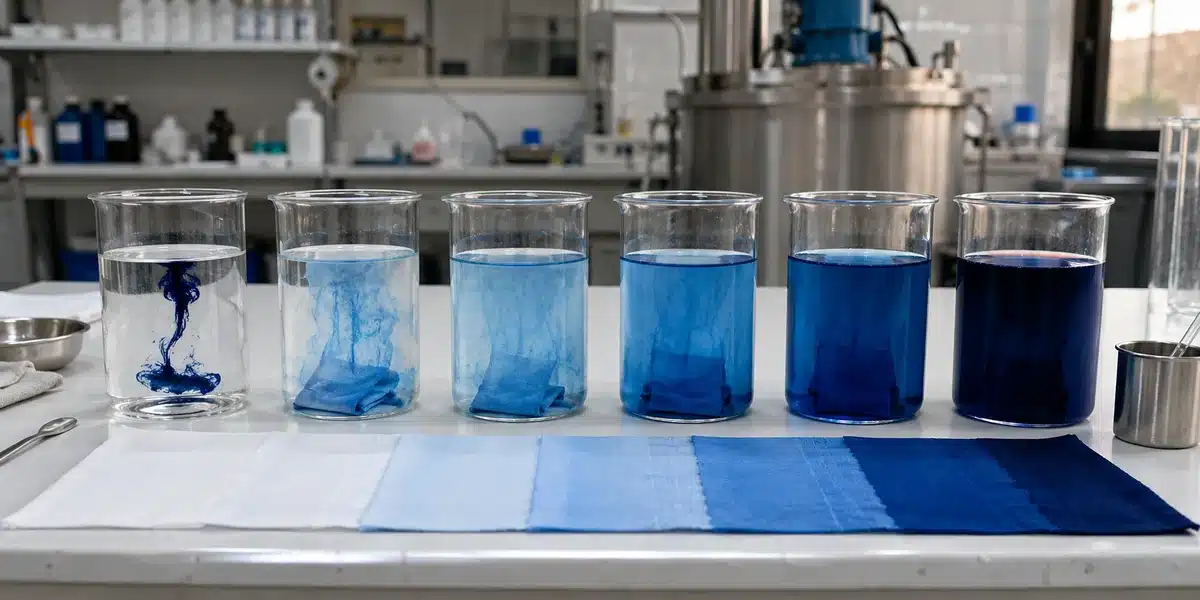
The textile industry is one of the largest consumers of sodium lignosulfonate dispersants.
They are widely used for:
- Disperse dyes
- Vat dyes
- Dye milling
- High-temperature dyeing
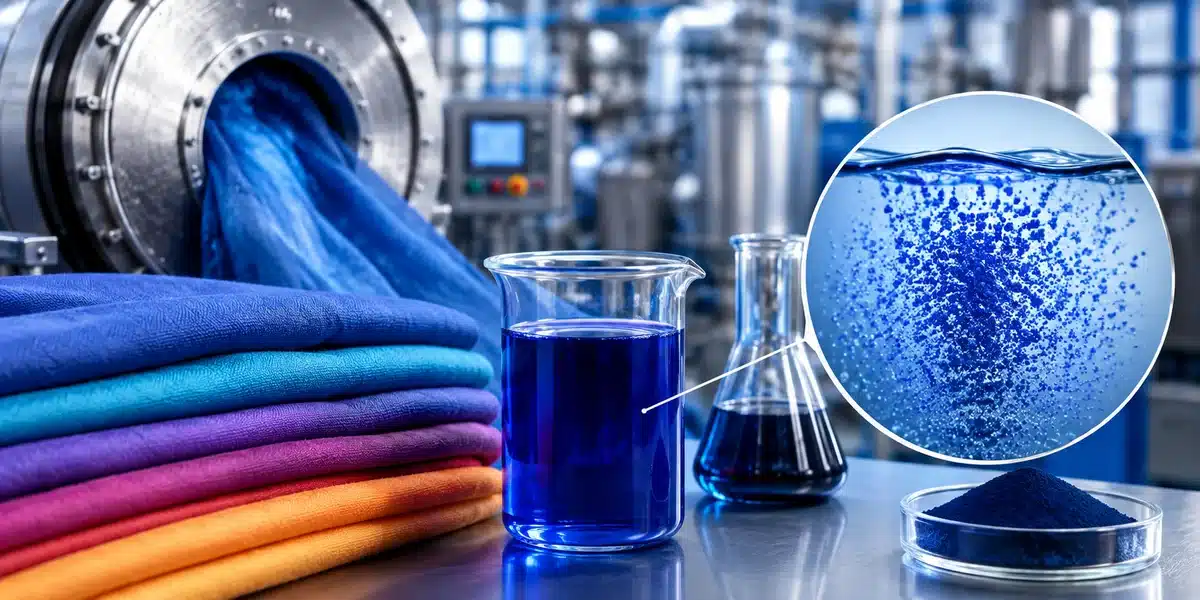
A high-quality dye dispersant helps maintain fine particle distribution, resulting in more uniform dye uptake, improved color consistency, and fewer processing defects.
We have found that stable dispersion often has a greater impact on dyeing consistency than customers initially expect. Even small improvements in particle stability can reduce reprocessing rates and improve production efficiency.
Agriculture
In agrochemical formulations, lignosulfonates serve as dispersants and stabilizers for:
- Wettable Powders (WP)
- Suspension Concentrates (SC)
- Water Dispersible Granules (WG)
- Dry Flowables (DF)
Their excellent wetting and dispersion characteristics help improve formulation stability while supporting efficient spray performance in the field.
Lead-Acid Batteries
Lignosulfonates are essential ingredients in battery expanders for lead-acid batteries.
They help:
- Improve cold cranking performance
- Extend battery cycle life
- Reduce water loss
- Increase utilization of negative active material (NAM)
Many battery manufacturers continue to rely on lignin-based additives because they provide an effective balance between performance, reliability, and cost.
Construction
The construction industry uses lignosulfonates in:
- Concrete admixtures
- Cement grinding aids
- Dust suppression
- Soil stabilization
Their plasticizing effect improves concrete workability while reducing water demand, making them valuable additives for infrastructure projects.
Other Industrial Applications
Lignosulfonates are also used in:
- Mining and mineral processing
- Animal feed binders
- Ceramic production
- Oilfield chemicals
- Industrial cleaning formulations
- Road stabilization
Their versatility is one of the reasons demand continues to expand across different industrial sectors.
Why More Manufacturers Are Choosing Lignosulfonates
The industrial chemicals market is changing rapidly.
Many companies are looking beyond traditional petroleum-based additives due to increasing environmental regulations and customer expectations.
Lignosulfonates offer several important advantages:
- Renewable raw materials
- Lower environmental impact
- Competitive cost
- Excellent technical performance
- Broad industrial compatibility
From an engineering perspective, the best additive is rarely the one with the highest laboratory performance—it is the one that delivers consistent results at industrial scale. This is where high-quality lignosulfonates have built a strong reputation.
The Future of Lignosulfonate
Interest in bio-based chemicals continues to grow worldwide.
Emerging applications include:
- Sustainable polymers
- Carbon materials
- Energy storage
- Green construction
- Advanced agricultural formulations
Many researchers view lignin as one of the most underutilized renewable resources available today.
In our opinion, lignosulfonate is no longer simply a by-product of the paper industry. It has become a strategic industrial material that supports both performance and sustainability.
As industries pursue lower-carbon manufacturing and more sustainable supply chains, lignosulfonate is likely to play an even greater role in future chemical formulations.
Frequently Asked Questions
Is lignosulfonate natural?
Yes. Lignosulfonate is derived from lignin, a natural polymer found in wood, and is produced during the sulfite pulping process.
Is sodium lignosulfonate the same as lignin?
No. Lignin is the natural polymer found in plants, while sodium lignosulfonate is a chemically modified, water-soluble derivative of lignin with improved industrial functionality.
Which industries use lignosulfonate?
Common industries include textile dye manufacturing, agriculture, lead-acid batteries, construction, mining, animal feed, and industrial chemicals.
Why is sodium lignosulfonate widely used?
Because it offers excellent dispersion, strong compatibility, cost efficiency, and is derived from renewable raw materials.
Final Thoughts
Lignosulfonate has evolved from a paper industry by-product into a critical ingredient across numerous industrial sectors. Its combination of renewable sourcing, versatile functionality, and proven performance makes it an attractive choice for manufacturers seeking both technical reliability and more sustainable chemical solutions.
Whether the goal is improving dye dispersion, enhancing battery performance, stabilizing agrochemical formulations, or optimizing concrete production, lignosulfonate continues to demonstrate why it remains one of the world’s most valuable bio-based industrial additives.