Textile Dyestuff Industry
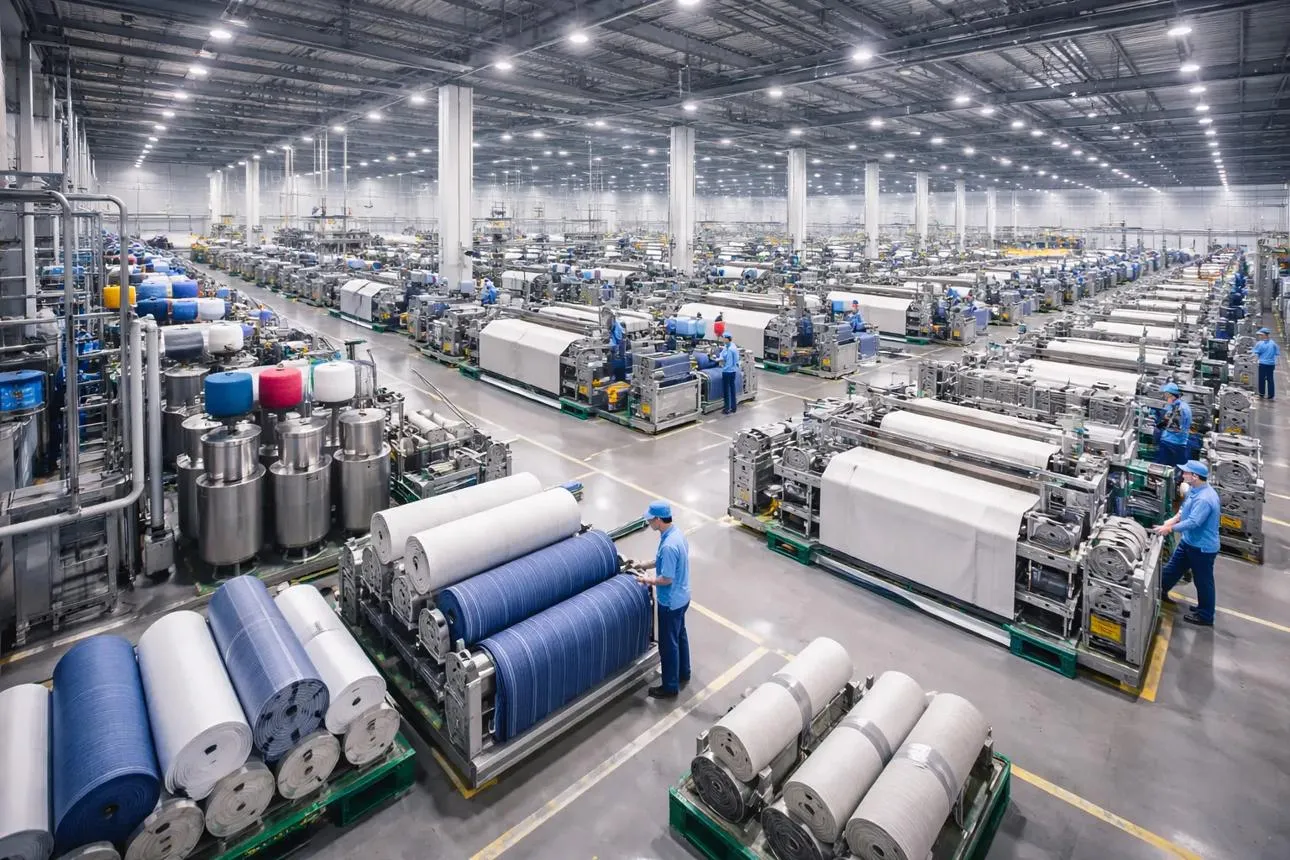
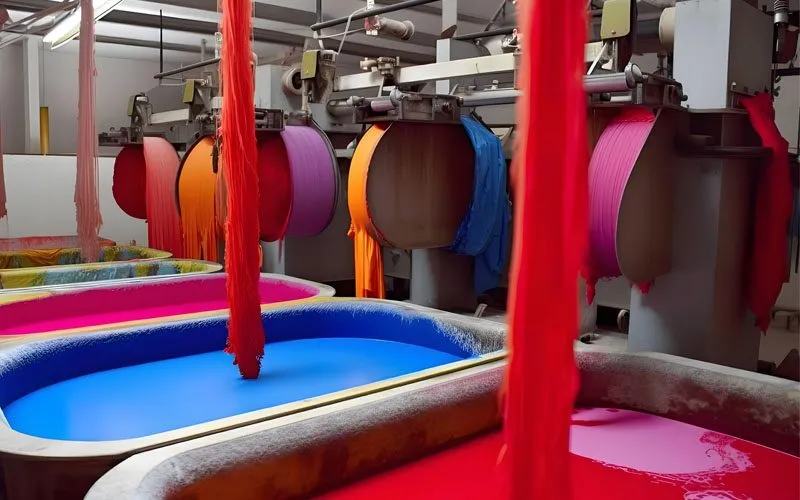
The textile dyestuff industry is essential for the production of polyester and synthetic fabrics, where disperse and vat dyes are widely used in high-temperature dyeing processes.
Dispersants play a key role in ensuring uniform particle distribution, preventing agglomeration, and maintaining stable dyeing performance. With increasing production demands, higher requirements are placed on heat stability, dispersibility, and fiber compatibility.
Zhejiang Jiefa Technology provides lignin-based dispersant solutions designed to meet these evolving industry needs.
ES-7 Sodium Lignosulfonate Dye Dispersant
ES-5 Sodium Lignosulfonate Dye Dispersant
ES-3 Sodium Lignosulfonate Dye Dispersant
Textile Dyestuff Industry
Challenges in Textile Dyeing
- Long milling time, uneven spray drying and capped tower temperature
- Finished and liquid dyes coarsen, thicken or cake in storage and transport
- Dye specks, dye blotches and tar stains in package and warp beam dyeing, and the complaints that follow
- Inner-to-outer shade difference and batch-to-batch shade variation
- Oligomer deposits, white frost on fabric and frequent machine cleaning
Textile Dyestuff Industry
Our Solution
Jiefa ES series lignin-based dispersants are made from natural softwood and purified by ultrafiltration. They pay off in production and in dyeing:
Production — high milling efficiency, heat stability, consistent viscosity, and low sulfate and chloride content: shorter milling, a hotter spray-drying tower and higher output, stable finished dyes without white specks or caking, and no pitting corrosion of stainless-steel equipment.
Dyeing — tar dispersion through 130 °C (naphthalene-based dispersants desorb at HTHP temperature), stable shade of sensitive dyes, excellent dispersibility at 71 °C and 130 °C, and oligomer control: fewer dye specks, dye blotches and tar stains, less shade variation, a cleaner fabric surface and fewer complaints.
ES-7 replaces REAX 85A, ES-5 is the mainstream grade, and ES-3 cost-effectively replaces naphthalene-based dispersants (NNO) while also dispersing tar and oligomers.
Textile Dyestuff Industry
Key Benefits
- Lower Production Cost
Shorter milling time and a hotter spray-drying tower - Fewer Dye Specks and Blotches
Tar encapsulation and dispersion from 71 °C to 130 °C - Consistent Shade
Sensitive dyes keep their shade; less inner-to-outer and batch-to-batch variation - Clean Fabric, Less Cleaning
Oligomer control prevents white frost and deposits - Equipment Protection
Very low chloride content prevents pitting corrosion - Eco Compliance
Phosphorus-free, quinoline-free, no APEO, NP/NP-EO or PFAS; OEKO-TEX and ECO PASSPORT ready
Textile Dyestuff Industry
Why Choose Jiefa
- Leading lignosulfonate manufacturer in China
- Stable quality with DCS-controlled production
- Strong technical support
- Proven global applications