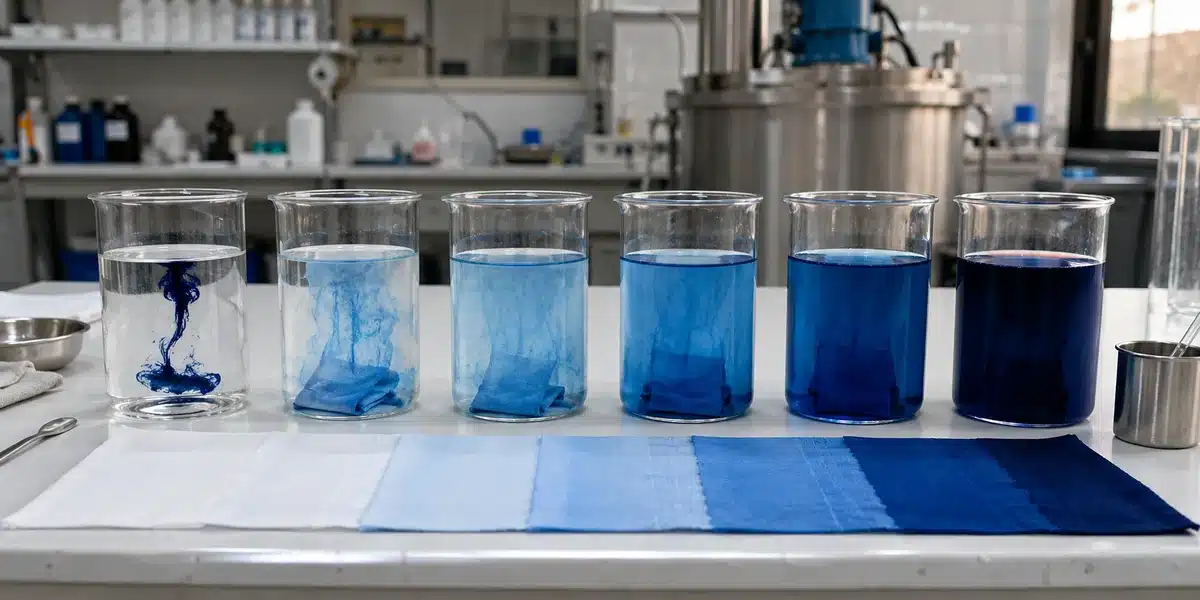
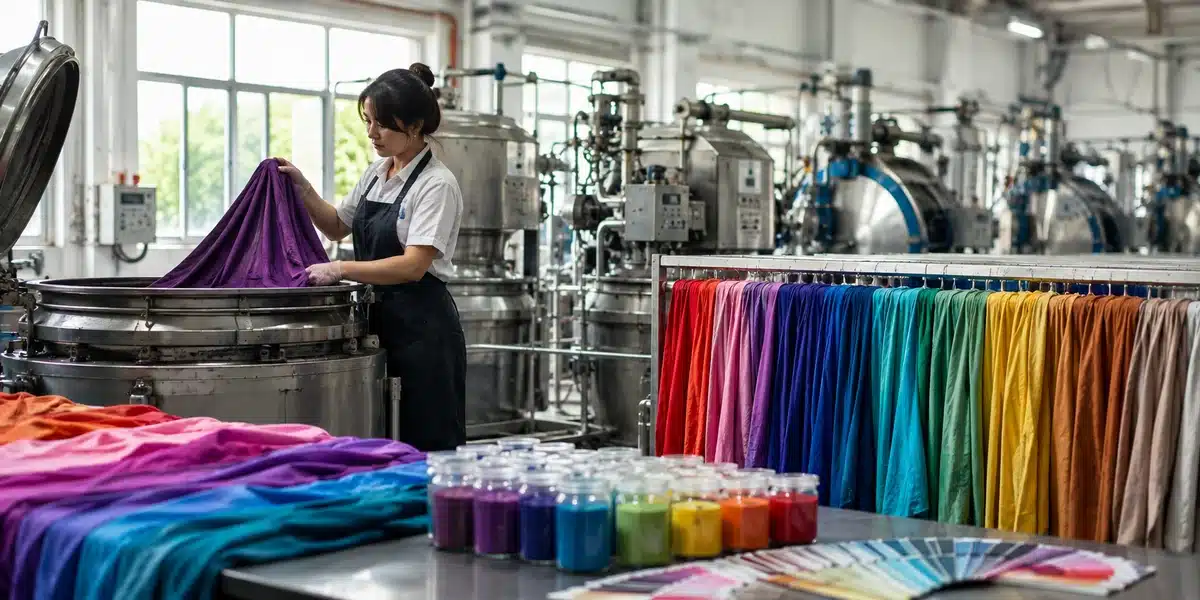
The global demand for dye dispersants continues to grow alongside the expansion of the textile industry. While India remains the largest importing market, countries such as Bangladesh, Pakistan, Turkey, and Vietnam are rapidly increasing their purchases due to growing textile manufacturing and apparel exports. In this article, we’ll examine the world’s major dye dispersant import markets, explain what drives their demand, and discuss why sodium lignosulfonate dispersants are becoming the preferred choice for many dye manufacturers.Lorem ipsum dolor sit amet, consectetur adipiscing elit. Ut elit tellus, luctus nec ullamcorper mattis, pulvinar dapibus leo.
Why Do Some Countries Import More Dye Dispersants Than Others?

The demand for dye dispersants is closely linked to the development of a country’s textile industry. Nations with large-scale dye manufacturing facilities, synthetic fiber production, and export-oriented garment industries naturally consume more textile chemicals than others.
However, textile production alone does not determine demand. Countries that manufacture dyes locally often import significant quantities of dispersants because they require consistent, high-performance additives throughout the dye production process.
In our experience, successful dye manufacturers rarely choose a dispersant based solely on price. Batch consistency, heat stability, and technical support have become equally important purchasing factors, especially for companies producing premium disperse dyes for international brands.
India: The World's Largest Dye Dispersant Import Market

India is widely recognized as one of the world’s largest producers and exporters of textile dyes. Major manufacturing clusters, particularly in Gujarat, supply disperse dyes, reactive dyes, and specialty chemicals to customers worldwide.
The country’s extensive textile supply chain creates enormous demand for high-quality dye dispersants. Manufacturers require additives that can maintain stable particle dispersion during grinding, storage, transportation, and high-temperature dyeing.
We have found that Indian buyers increasingly focus on long-term production stability rather than simply purchasing the lowest-cost product. A reliable dispersant can reduce production losses, improve color consistency, and lower overall manufacturing costs.
Another important trend is the growing interest in environmentally friendly chemicals. As export requirements become stricter, many manufacturers are replacing conventional dispersants with lignin-based alternatives that better align with international environmental standards.
Bangladesh and Pakistan: Growth Driven by the Textile Industry

Bangladesh and Pakistan have become two of the world’s largest textile and apparel manufacturing centers. Although these countries import many finished dyes, local dyeing and finishing operations continue to expand rapidly.
This growth directly increases demand for reliable dye dispersants, particularly for polyester dyeing and synthetic fiber applications.
Many textile companies in these markets operate continuously with tight production schedules. Even minor inconsistencies in dye dispersion can lead to uneven coloration, increased waste, or costly reprocessing.
In our experience, manufacturers in South Asia place great value on stable product quality. Consistent dispersion performance helps improve dye utilization while reducing production interruptions.
For many textile producers, production efficiency is just as important as the chemical itself.
Turkey and Vietnam: Emerging High-Value Markets

Turkey serves as one of Europe’s most important textile manufacturing hubs, while Vietnam has become one of Southeast Asia’s fastest-growing garment exporters. Both countries continue to attract international investment and are steadily upgrading their textile production capabilities.
Unlike some developing markets, buyers in Turkey and Vietnam often prioritize product performance over initial purchase cost. They seek dispersants capable of maintaining stability during high-temperature dyeing while supporting consistent product quality.
From an engineering perspective, the cost of production downtime or inconsistent dye batches often exceeds the savings gained from purchasing cheaper chemicals. This explains why many manufacturers prefer suppliers with strong technical support and proven product consistency.
Other Promising Import Markets
Although Asia dominates global demand, several other regions present attractive opportunities for dye dispersant suppliers.
Germany and Italy continue to import specialty textile chemicals for high-value textile production and technical fabrics.
Indonesia has expanded its textile manufacturing capacity in recent years, increasing demand for dyeing auxiliaries and dispersants.
Brazil and Mexico remain important textile markets in Latin America, supported by growing domestic apparel industries.
Meanwhile, Egypt is strengthening its position as a textile manufacturing center in North Africa, creating new opportunities for suppliers serving regional customers.
These markets may not match India’s total import volume, but they often value high-quality products, technical service, and stable long-term partnerships.
What Buyers Look for in a Dye Dispersant Supplier
Price is only one part of the purchasing decision.
Professional dye manufacturers typically evaluate suppliers based on several key factors:
- Stable batch-to-batch consistency
- Excellent dispersion performance
- High thermal stability
- Low foaming characteristics
- Reliable global supply capability
- Responsive technical support
- Compliance with international environmental regulations
We have found that buyers are increasingly interested in suppliers who can provide customized technical solutions rather than simply selling standard products.
This shift reflects a broader trend across the textile chemical industry. Manufacturers are looking for partners capable of improving production efficiency, not just reducing raw material costs.
Why Sodium Lignosulfonate Dye Dispersants Are Gaining Popularity
The global textile industry is steadily moving toward more sustainable chemical solutions.
Sodium lignosulfonate, derived from renewable wood resources, offers an attractive alternative to traditional petroleum-based dispersants. It provides excellent dispersion performance while supporting environmental sustainability.
Modern lignosulfonate dye dispersants deliver several important advantages:
- Excellent high-temperature stability
- Uniform particle distribution
- Low foam generation
- Cost-effective performance
- Renewable raw material source
- Better environmental compatibility
In our experience, many dye manufacturers are evaluating lignin-based dispersants not only to reduce environmental impact but also to improve overall production consistency.
As international brands continue strengthening their sustainability requirements, demand for bio-based textile chemicals is expected to grow even further.
Future Trends in the Global Dye Dispersant Market
The future of dye dispersants will be shaped by three major trends: sustainability, performance, and globalization.
Environmental regulations are becoming increasingly stringent across Europe and other developed markets, encouraging manufacturers to adopt greener chemical solutions.
At the same time, textile production continues shifting toward developing countries, creating new demand for reliable and cost-effective dyeing auxiliaries.
Innovation will also play an increasingly important role. Buyers are no longer satisfied with products that simply disperse dye particles. They expect dispersants that improve production efficiency, reduce energy consumption, enhance color consistency, and support sustainable manufacturing.
The next generation of dye dispersants will not simply perform better—they will help textile manufacturers produce better products with a lower environmental footprint.
Conclusion
The global dye dispersant market continues to expand alongside the growth of textile manufacturing. India remains the largest and most influential market, while Bangladesh, Pakistan, Turkey, Vietnam, and several emerging economies continue to create new business opportunities.
For suppliers, understanding regional demand is only part of the equation. Success increasingly depends on delivering consistent quality, reliable technical support, and sustainable products that meet evolving customer expectations.
As renewable, lignin-based dispersants continue gaining acceptance worldwide, manufacturers capable of combining stable performance with environmental responsibility will be best positioned to support the future of the global textile industry.