Not finding the right product?
Jiefa provides customized lignin-based dispersant solutions tailored to your specific application, performance requirements, and production needs.
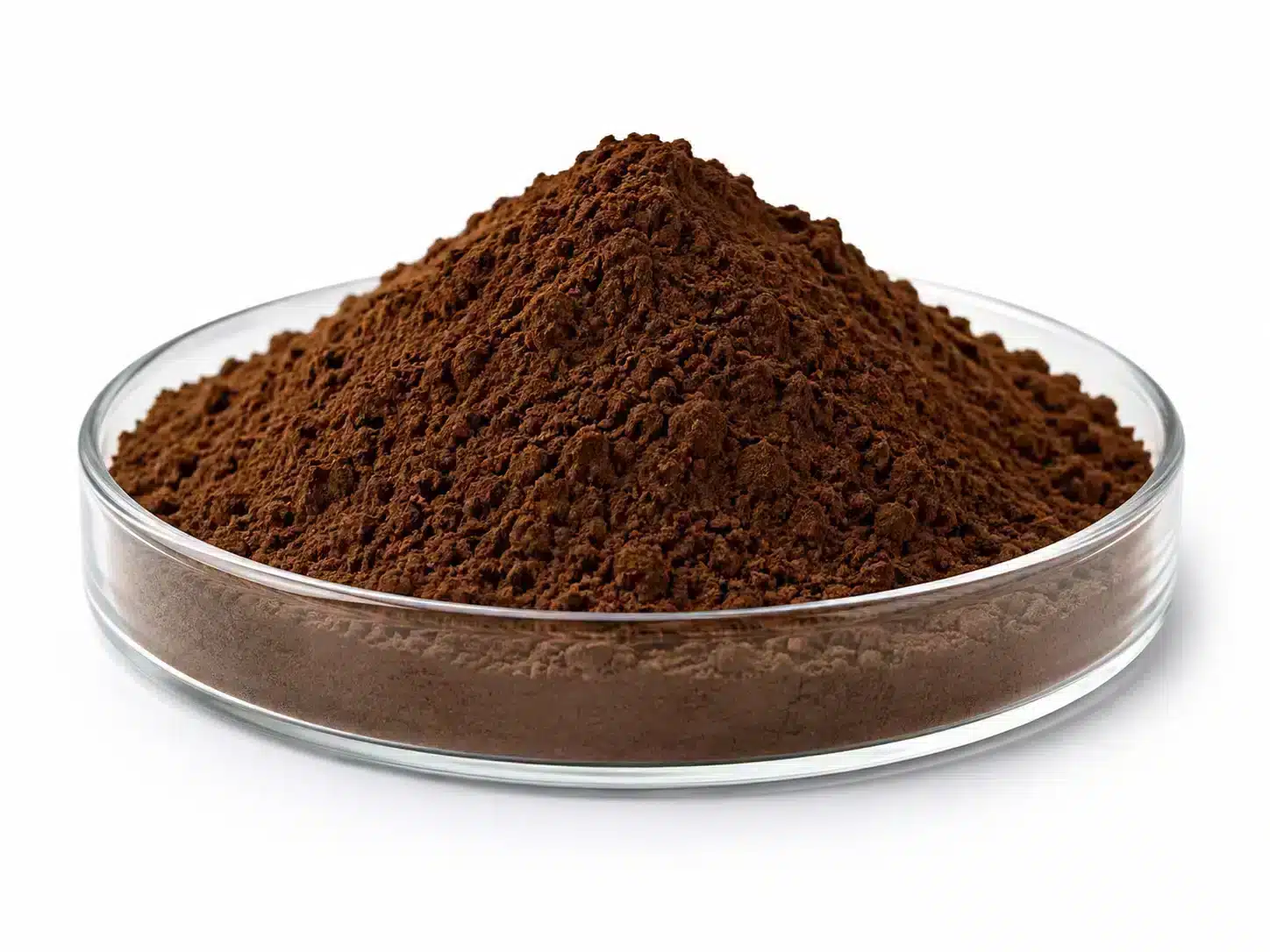
Sodium Lignosulfonate
| Item | Specification |
|---|---|
| Product Name | Sodium Lignosulfonate |
| Appearance | Uniform Brownish Powder |
| CAS No. | 8061-51-6 |
| pH Value | 9.5 – 11.0 |
| Moisture | ≤ 8–10%* |
| Sulphate Content | ≤ 2.5%* |
| Water-Insoluble Matter | ≤ 0.03–0.05%* |
| Water Solubility | Completely / Highly Soluble in Water |
| Heat Stability | Up to 150–155°C* |
| Main Function | Dispersing, Adsorption, Binding & Formulation Support |
| Available Grades | ES Series / AG Series / LB Series / Customized Grades |
| Main Applications | Dye, Agriculture, Lead-Acid Battery, Construction & Industrial Formulations |
| Packaging | 25 kg Bags / 500 kg Jumbo Bags / 600 kg Jumbo Bags |
| Customized Packaging | Available |
| Sample | Available for Application Testing |
Jiefa supplies application-specific sodium lignosulfonate grades rather than a single general-purpose specification. The following values represent typical ranges across selected product series. Final specifications depend on the grade and application.
Sodium Lignosulfonate
It depends on the grade. Our customers mainly use it in dye dispersants, agricultural formulations, lead-acid batteries, construction materials, and other industrial applications.
No. Products with the same name can behave quite differently. Purity, molecular structure, viscosity, salt content, and production process all affect performance.
For most projects, we start with the customer’s dye type and processing conditions. ES-7 is generally considered for higher heat-stability requirements, while ES-5 and ES-3 suit different performance and cost targets.
Possibly, but we would not recommend replacing it directly at the same dosage without testing. Grinding, filtration, shade, and storage stability should be checked first.
Usually not. If a lower grade already performs well under your actual production temperature, paying for a higher specification may offer little benefit.
Sometimes the dispersant is not the only reason. Water hardness, milling time, pH, storage time, and the dye itself can all change the result when production is scaled up.
It can. Lignin-based dispersants naturally have color, so very sensitive or bright formulations should always be tested with the actual dye.
Yes. Sample testing is recommended before bulk purchasing, especially when replacing an existing dispersant or developing a new formulation.
Just send us your application, current dispersant, approximate process temperature, and the problem you are trying to solve. That is usually enough to begin product selection.
Product Categories
Get a Quick Response Within 24 Hours
REQUEST INFORMATION